

Understanding Pain: What Modern Pain Science Tells Us
Pain is one of the most common reasons people seek healthcare, yet it’s also one of the most misunderstood experiences in the human body. Many people still believe that pain automatically means damage, that a scan should always show the cause, or that ongoing pain means something is wrong or fragile. Modern pain science tells us a very different, and far more reassuring, story.
At its core, pain is not a measure of damage. Pain is a protective experience created by your nervous system. Its job is to keep you safe.
Pain is protection, not damage
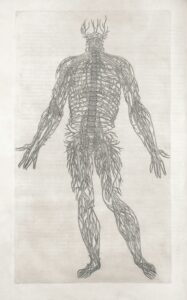
When you touch something hot, sharp, or threatening, specialised receptors send danger signals toward your brain. These signals are called nociception. Pain, however, is the brain’s interpretation of those signals, combined with everything else it knows about you and your situation, including past experiences, beliefs, stress levels, sleep, mood, and context.
This is why two people can experience the same injury very differently, or why pain can persist long after tissues have healed. Pain science shows us that pain is an output, not a direct readout of tissue damage.
Importantly, this does not mean pain is imagined or all in your head. Pain is real and physical. If we had the ability to image nerve endings and pathways in enough detail, we would see genuine biological changes. Our current scans simply cannot capture the nervous system at that level.
When the alarm system becomes sensitive

One helpful way to understand pain is to think of it like an alarm system. In acute situations, the alarm is useful. It warns you to protect an injured ankle or rest a strained muscle. But sometimes, especially after injury, stress, or repeated flare ups, the alarm system becomes overly sensitive.
A useful analogy here is money and debt. The last latte you bought did not cause bankruptcy on its own. It was the many financial decisions, pressures, and circumstances that built up over time. That final purchase just happened to be the moment things tipped over.
Pain often works the same way. The coffee cup you picked up did not ruin your back. It was likely the accumulation of factors leading up to that moment, such as workload, stress, poor sleep, previous injuries, reduced movement, fear, or long periods of tension, that sensitised the nervous system. The movement itself was simply the final trigger, not the root cause.
Modern pain science shows us that pain is rarely caused by a single moment or a single structure. It is usually the result of a nervous system that has become increasingly protective over time.
Pain is influenced by more than the body
One of the most important insights from pain science is that pain is affected by much more than muscles, joints, and discs. Sleep quality, stress levels, mood, beliefs about pain, and past experiences all influence how sensitive the nervous system becomes.
Poor sleep lowers pain thresholds. Ongoing stress keeps the nervous system on high alert. Fear of movement can increase protective responses. None of this means pain is psychological or imagined. It means pain is human.
This understanding also helps dispel common myths around posture and perfect alignment. There is no single correct posture that prevents pain. The human body is adaptable and strong, and variation in movement is usually more protective than rigid control.
Pain can change
Perhaps the most hopeful message from modern pain science is that pain is changeable. The nervous system is adaptable throughout life, a concept known as neuroplasticity. Just as pain can become learned and persistent, it can also be unlearned.
This is where education, movement, and lifestyle factors play a powerful role. Gradual, meaningful movement helps teach the nervous system that the body is safe. Improving sleep and managing stress reduces overall sensitivity. Understanding pain reduces fear, which in turn lowers the perceived threat.
This is not about pushing through pain or ignoring symptoms. It is about rebuilding trust between the brain and the body.
What this means for recovery
A pain science informed approach to care focuses less on fixing broken parts and more on calming a sensitive system. Treatment often includes education, graded movement, reassurance, and addressing factors like sleep, stress, and mood alongside hands on care.
For many people, this shift in understanding is the turning point. When pain feels less threatening, the body often responds with less pain.
Pain does not mean your body is damaged. It does not mean you are weak. And it does not mean your life has to shrink.
Understanding pain science can be the first step toward changing your relationship with pain and remembering that pain does not have to rule your life.