
Self Help strategies for Painful Hip and Knee Osteoarthritis
Have you been diagnosed with having Osteoarthritis (OA) of the Knee or Hip and are suffering from pain and inactivity? OA commonly known as Arthritis, is one of the most prevalent and painful conditions and is considered a leading cause of disability in Australia. This information can help you understand your condition and gives you some self-management strategies to help your pain and inactivity. YES, Osteopathy can help as a conservative approach to managing your pain and improve your quality of life by increasing your level of physical activity.
What is Osteoarthritis?
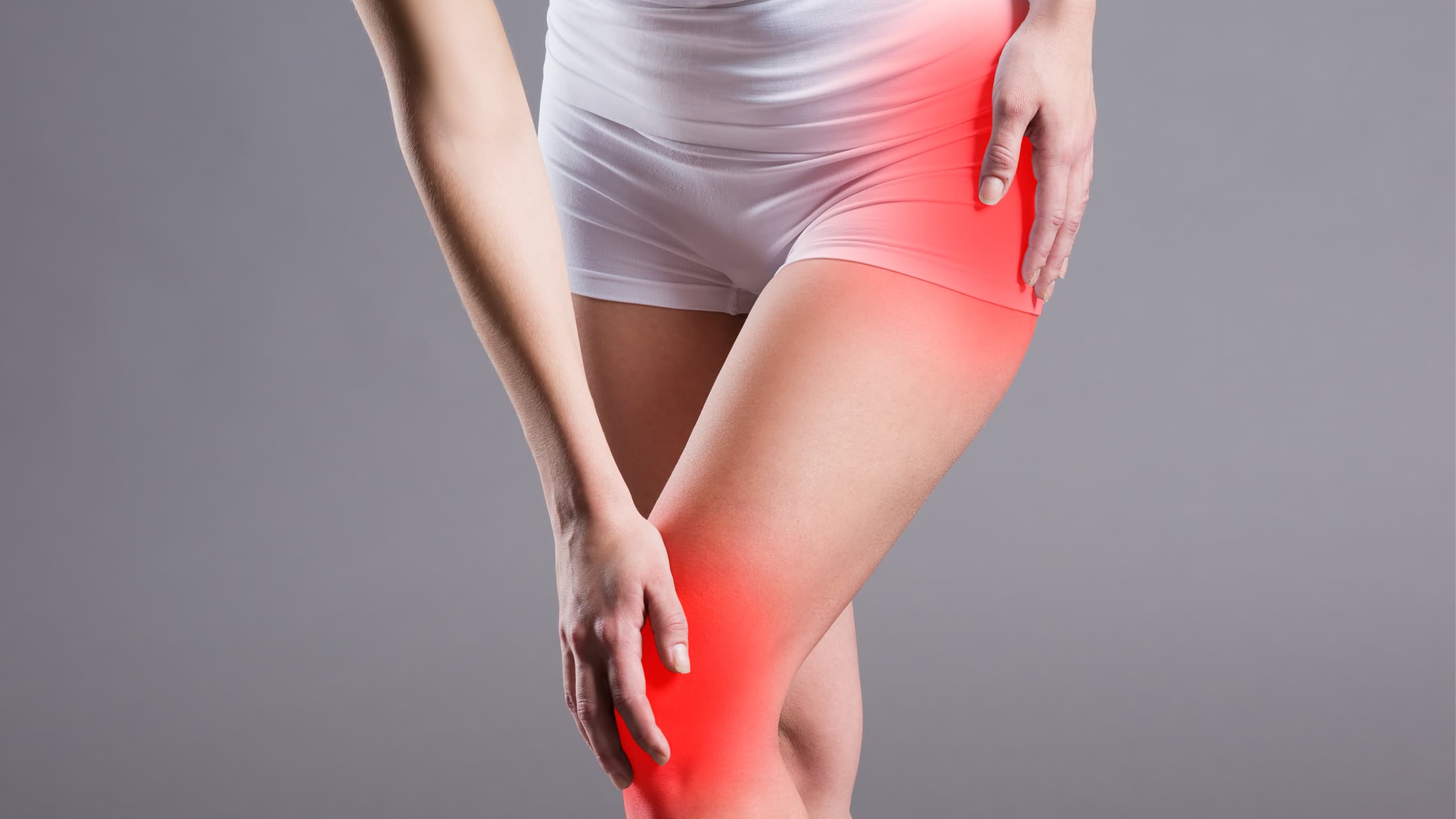
Osteoarthritis is a progressive joint degenerative disease with decreased or destruction of joint articular cartilage, with the associated local inflammatory response. Arthritic changes are a result of the remodeling of the subchondral bone from mechanical overload. When the abnormal loading persists over a long time, the recovery of tissues becomes irreversible, causing loss of articular cartilage and develops symptomatic Osteoarthritis.
There is growing evidence that people with Osteoarthritis (OA) are at higher risk of falls and fractures. Osteoarthritis is considered one of the most disabling musculoskeletal conditions among older people impacting mobility and their ability to work and participate in social activities with having a significant impact on psychological well-being and quality of life.
Risk Factors for Osteoarthritis
- Physical Inactivity: Prolonged physical inactivity is associated with a reduction in the general health of people with hip and knee OA. Physical inactivity also is associated with obesity, diabetes, and heart disease, declining function, and heightened pain levels, which in turn known to increase osteoarthritis disease progression.
- Ageing: Osteoarthritis is known to be more prevalent in adult over 60 years of age.
- Obesity: Evidence shows that pain severity is in direct relationship with overweight and obesity among people with OA. Among obese or overweight patients suffering from OA and chronic pain, there is an associated higher calorie and fat intake in food, which is associated with pain severity in patients with chronic persistent pain (Omer et al. 2020)
- Sports-related injuries: Sports activity is associated with increased risk of early knee OA, such as from ligamentous knee injury, high-impact sports etc.
- Repetitive increased overload or stress on joints is known to be a risk factor for OA.
Symptoms of Osteoarthritis (OA)
- severe pain and disability
- loss of function and flexibility
- Stiffness, most noticeable in the morning and with inactivity
- Tenderness
- Joint Grating sensation with movement
- Bone spurs noticeable on X-ray findings
- Joint Swelling.
Osteoarthritis Knee Treatment Options:
The primary approach and first line of treatment for people with OA is usually education, exercise, and weight loss program.
Treatment of Osteoarthritis includes:
Patient education: Recent studies have suggested that programs that include education on understanding the condition, the importance of adherence to exercise, self-help and coping strategies, self-efficacy and problem-solving approach helps with better managing OA symptoms.
Weight management: Pain severity has been shown to have a direct relation with overweight and obesity in patients with OA. Having an active and healthy lifestyle with a healthy nutritious diet is key in managing pain.
Therapeutic exercise: Exercise is an effective treatment for OA. However, the effect varies from one person to another. Physical Activity interventions are commonly provided by physiotherapists to help manage lower limb OA symptoms. Exercises are known to reduce pain, function, improve performance, and quality of life in people with Arthritis.
Orthosis: Braces – An unloading knee brace designed to correct abnormal alignment and stress on the knee joint to decrease joint pain and to improve the quality of life is most widely considered as biomechanical approach for knee OA
Footwear: Footwear is a promising avenue, given the knowledge that foot position and motion influences load distribution to knee and hip joints. Getting right advice and guidance regarding appropriate footwear is considered to help manage the symptoms of joint arthritis.
Osteopathic Treatment for Osteoarthritis:
Exercise intervention recommendations are the first line of management and non-pharmacological based treatment approach to help people with Osteoarthritis to manage their symptoms. Exercise is a planned and structured program aimed to help improve pain and to maintain physical fitness.
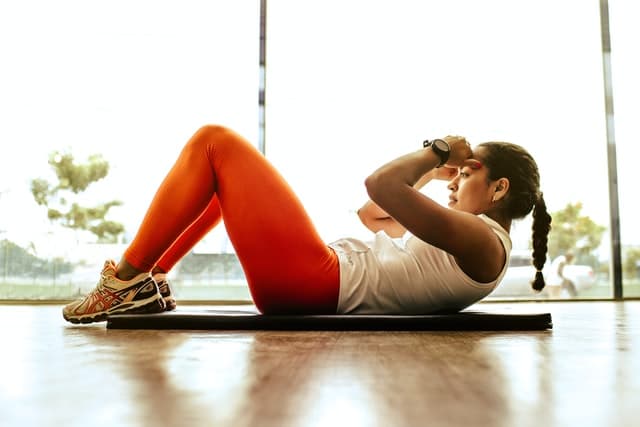
Osteopaths are a primary health care professionals who provide exercise-based interventions to people with lower-limb symptomatic OA. Exercise therapy is known to improve pain and increased function in patients with OA.
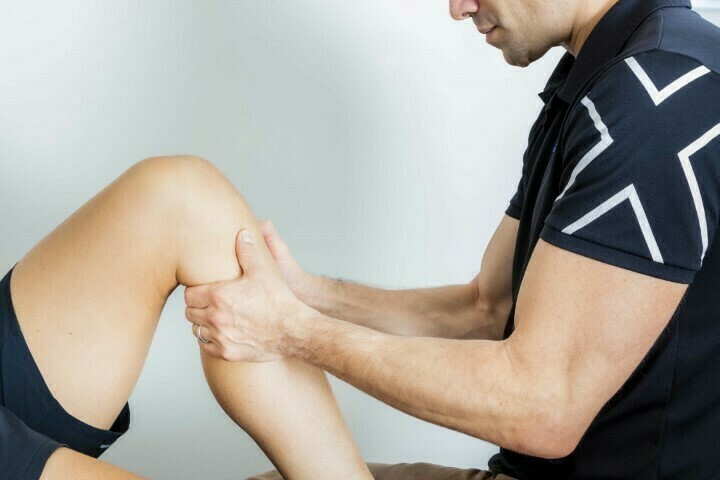
Osteopathic based treatment approaches can range from strengthening exercises, manual therapy approaches, balance enhancement training. The treatment plan will also include client-based education on understanding OA, addressing behavioral or lifestyle factors, provide with self-help strategies to manage OA symptoms.
3 Self-Help Strategies for Osteoarthritis:
Every self-management plan needs to be unique and catered to your needs, to help you continue through the journey. Choose the treatment plan that makes sense for you and your requirement.
Start your Self-management with these 3 exercises!
Conclusion
At Equilibrium Sports and Spinal clinic, we thrive on helping our local community resolve their hip and knee osteoarthritic symptoms. We take into account all aspects of life to get you back doing the things you love to do, pain-free. Our Osteopaths service Malvern, Glen Iris, Ashburton, Hawthorn, Toorak, South Yarra, Camberwell and Caulfield. Book online today and let us help you feel and move better than you did yesterday!
Any questions about fixing your neck pain and headache? or want to know more about how an Osteopath can help you?
Feel free to email us at info@equilibriumsas.com.au
We look forward to hearing from you soon!