
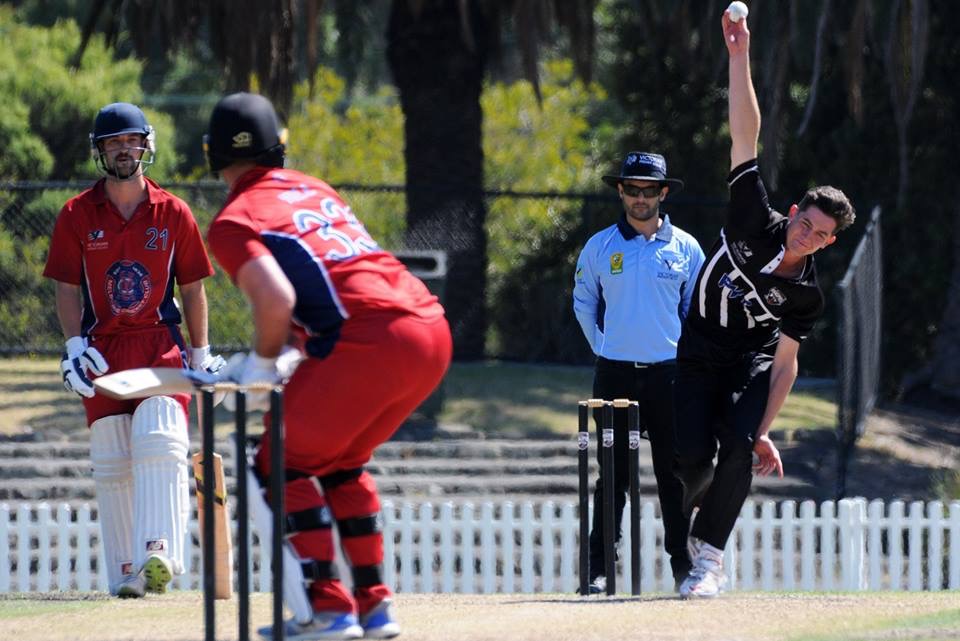
Side strains are one of the most frustrating types of cricket injury a fast bowler can experience. They are sharp, debilitating, and notoriously slow to heal. I learned this firsthand in my first game for my new club, Glen Iris Cricket Club. Thirteen overs in, well into my second spell, I bowled a bouncer and felt a sudden twinge in my left lower ribs. It was the beginning of a painful but educational journey through one of the most common injuries that fast (or trying to be) bowlers face.
What followed was a month of rehab, trial and error, and testing the boundaries of pain and progress. Bowling is the most physically demanding movement in cricket, so understanding the mechanism of this cricket injury became a major part of my recovery.
How This Cricket Injury Happened
A side strain is a tear of the internal or external oblique muscles (90% of the time). These are key stabilisers for trunk rotation and side bending. Research on cricket injury biomechanics shows that the non bowling side absorbs massive eccentric forces during the front foot phase of bowling. As the chest opens up, the obliques act like brakes against the explosive rotation.
When I bowled that short ball, the combination of trunk rotation, side flexion, and speed overloaded the tissue. I self diagnosed immediately, and colleagues later speculated it as a likely grade 2 side strain. To confirm it, I would need to image the injury, but I was confident there was nothing sinister going on, and I could treat it conservatively. It was a significant cricket injury, but definitely one I could recover from.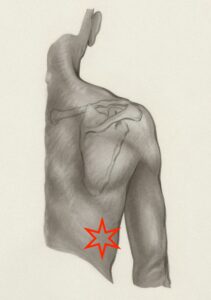
The First 72 Hours, When Everything Hurt
For the first three days, every breath, sneeze, twist, and step reminded me my side was sore. Pain was constant for a full week. I stuck with paracetamol and began gentle diaphragmatic breathing early, which seemed to help get gentle movement into the area, in a pain free range.
I rested properly for two days. Then I made the classic mistake many athletes make.
The Setbacks That Taught Me Patience
By Tuesday, only three days post injury, I thought I was ready to bat at training. During my first shot I felt as though I had been stabbed in the side, and fell to my knees. The next day I tried throwing a tennis ball for my dog and felt the same sharp pain, dropping me to my knees.
These setbacks taught me an important rule of cricket injury rehabilitation, you can’t rush these things.
Early Rehab, Doing What I Could, Not What I Wanted
Surprisingly, I could do planks and side planks quite early. From Monday, I committed to three sets of 30 seconds of front and side planks every day, if not twice a day. They weren’t pain free, but they caused minimal discomfort. For the first week, this was almost all I could do. I could not run hard, lift heavy, or do pull ups. It was mentally challenging, but after my stabbing pain from throwing, I had to respect the tissue damage.
Once the side planks and running was pain free, I started to rehab more aggressively.
The Game Changing Exercise for This Cricket Injury
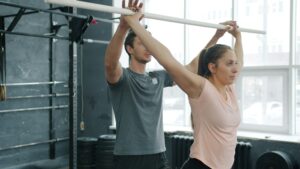
Once I could move without pain, I introduced weighted trunk rotations and side bends with a 20 kilogram barbell. I rotated fully from one side to the other, as fast and as deep as possible. The idea came from DAC Performance, a baseball pitching coach, and it was the single biggest breakthrough in my rehab. I found it to be a great way to target the area of pain, and, from my experience, it is hard to get in and stretch that area, or feel as though you are stimulating the right spot with side planks.
From a sports science perspective, introducing controlled, high velocity rotational strength is essential before returning to bowling. For me, it took me from feeling protective and hesitant to feeling powerful and confident again.
My Return to Bowling Timeline
I completely stopped bowling for 10 days.
- Day 13: Bowled off two steps with no pain
- Day 17: Performed my full action into a net and pulled up fine
- Day 19: Bowled off five steps to a batter at roughly 40 percent
- Day 21: Returned to playing as a batter only
- Day 24: Bowled at approximately 60 percent
- Day 26: Bowled off my full run up at around 80 percent
- Day 28: Played a match and bowled 8 overs, with several close to full intensity
I also reintroduced throwing early, but only within a pain free range. Any discomfort meant I stopped immediately.
A structured progression like this is essential with any cricket injury. Side strains in particular do not tolerate rushing.
The Mental Side of a Cricket Injury
Physically, I healed quickly. Mentally, it took longer. Every bowler understands the fear of re injury, especially when it comes to trunk injuries. Trusting my body again required a few pain free sessions.
After bowling eight overs in the match (at about 85-90% intensity) without any flare up, my confidence finally returned.
What This Cricket Injury Taught Me
Four weeks after the initial side strain, I was back bowling near full pace. The experience taught me several important lessons.
- You cannot rush a cricket injury involving rotational muscles.
- Side planks were safe early, and weighted rotations were the key later.
- A structured return to bowling matters.
- Mental confidence takes longer to return than physical capability.
Most importantly, this cricket injury reinforced that smart rehab is not only about healing. It is about coming back stronger, more knowledgeable, and more aware of the loads your body handles every time you bowl.