
Top 5 Tips To Reduce Your Risk of Knee Injury & Pain
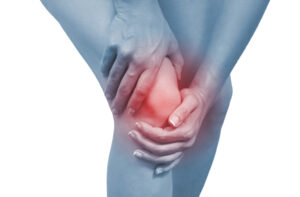
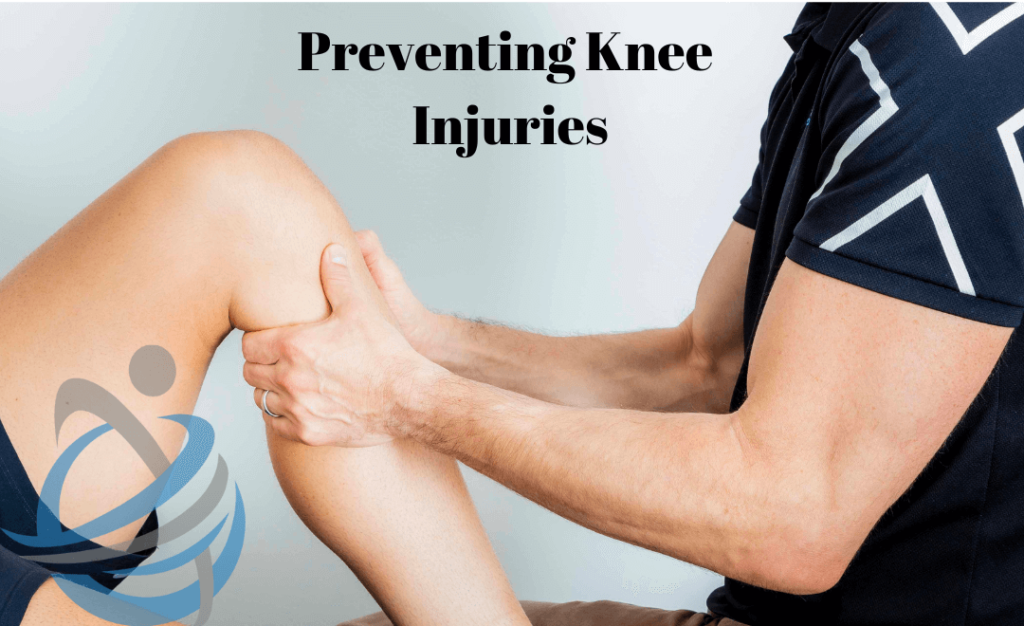
Knee injuries are not only painful but can also be quite debilitating, limiting your ability to perform daily activities and engage in physical exercise. Whether you’re an athlete or simply concerned about your overall joint health, preventing knee injuries is paramount.
Here are our Top 5 Tips to help you Reduce the Risk of Knee Injury & Pain. By following these suggestions, you’ll not only safeguard your freedom to exercise, work, and enjoy life, but you’ll do so with the happiness of being pain free!
1. Strengthen the Muscles Around Your Knees
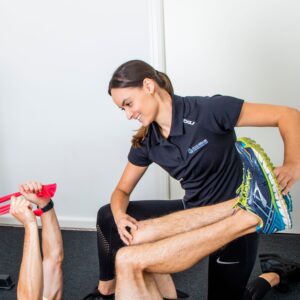
One of the most effective ways to protect your knees is by strengthening the muscles that support them. This includes the quadriceps, hamstrings, and calf muscles. When these muscle groups are strong, they help stabilise the knee joint and absorb shock during physical activities.
Similarly, while it’s crucial to focus on strengthening these specific muscles, it’s equally important to consider the areas above and below, ensuring that your hips and ankles are also contributing the necessary support. Exercises like squats, lunges, and Romanian deadlifts are excellent for targeting all of these muscles.
A balanced strength training routine can go a long way in reducing the risk of knee injuries!
2. Maintain a Healthy Body Weight:
Obesity and being overweight are significant risk factors in the onset and advancement of osteoarthritis, a prevalent type of arthritis impacting the knee joints. The increased mechanical stress on the joints due to excess body weight contributes to the degeneration of cartilage, particularly in weight-bearing joints like the knees and hips.
Losing excess weight through a combination of a healthy diet and regular exercise can not only significantly reduce this stress and lower the likelihood of knee injuries, it also helps lower your risk of chronic conditions like cardiovascular disease and metabolic syndromes.
NB: For guidance on weight management or diet, it’s essential to consult with your healthcare professional, such as your doctor or an accredited dietitian, for advice specific to your own circumstances.

3. Don’t Forget to Warm Up to Prevent Knee Injury.
Prioritising a thorough warm-up and mobility routine is a crucial aspect of reducing the risk of knee injuries. Taking the time to prepare your body before engaging in physical activities can make a significant difference in knee health and help reduce your risk of injury. Here’s how to do it effectively:
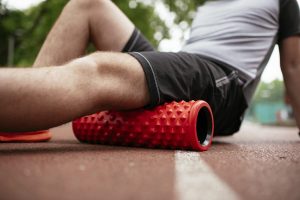
- Dynamic Stretching: Incorporate dynamic stretching exercises that involve controlled, active movements to improve joint mobility & range of motion, and to help increase blood flow. Leg swings, arm circles, hip circles and foam rolling are effective examples.
- Exercise or Sport-Specific Drills: Perform exercises or drills that mimic the movements and actions you’ll be doing during your workout or sport. These drills help prepare your body for the specific demands of your activity, reducing the risk of injury. Try incorporating running, jumping, landing or change of direction drills or exercises into your next team warm up!
4. Incorporate Low-Impact Exercises into Your Routine
Incorporating low-impact exercises into your fitness routine is another valuable strategy for minimising the risk of knee injuries. Low-impact exercises, such as swimming, cycling, and using elliptical machines, place less stress on the knee joints compared to high-impact activities like running or jumping.
By diversifying your exercise regimen with these low-impact options, you can still maintain cardiovascular fitness and muscle strength while reducing the load placed on your knees. This variety provides an excellent opportunity for recovery and prevents overuse injuries, such as Patellofemoral Pain Syndrome (aka ‘Runner’s Knee’), that often result from high-impact activities.

5. Recover Well & Listen to Your Body
Taking a holistic approach to knee health involves various elements to reduce the risk of injury and promote overall well-being. Our top tips for recovery include:
- Prioritise High-Quality Sleep and Adequate Rest Between Workouts: Giving your body the right amount of high-quality sleep and appropriate rest between exercise sessions is crucial. Overtraining can result in muscle fatigue and an elevated risk of knee injuries.
- Read our other blog on our 15 Sleep Hygiene Tips & Tricks to Improve Exercise Performance & Reduce Your Risk of Injury
- Don’t Forget to Stay Hydrated: Proper hydration is essential for maintaining joint health and reducing your risk of injury. Staying adequately hydrated supports muscle function and coordination, indirectly lowering the risk of knee injuries during physical activities. Furthermore, it plays a crucial role in the production and upkeep of synovial fluid, a key factor in ensuring effective lubrication of joints, such as the knee joint.
- Ensure a Nutritious, Well-Balanced Diet: A balanced and nutritious diet is vital for maintaining healthy joints. Foods rich in antioxidants, omega-3 fatty acids, and essential nutrients can help reduce inflammation and support joint function.
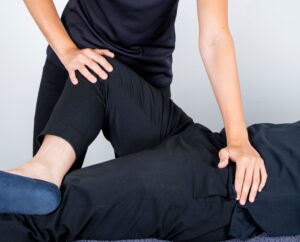
- Listen to Your Body & Seek Help if You’re Unsure: Pay attention to any discomfort or pain in your knees, particularly if it’s new. Seek professional medical advice when necessary or if you aren’t sure. Osteopathy is a holistic medical approach that can help address musculoskeletal issues and promote knee health. An Osteopath can help advise you on preventive care, assess any existing niggles or concerns you may have, and provide advice on modifying your daily activities accordingly to prevent future or further injury.
By adopting comprehensive knee care strategies that encompasses all of the above, you’re proactively safeguarding your knees from injury and supporting their long-term health. These elements work in harmony to maintain strong, healthy knees and help to reduce your risk of knee injury or pain.
Knee injuries can pose significant challenges, and the old saying that “prevention is the best cure” holds true. Don’t wait until you’re nursing an injury to start taking care of your body. Embrace these tips, and you’ll be well on your way to maintaining strong, healthy knees for years to come!
Any Questions or Aches & Pains you want to get assessed?
Feel free to email us at info@equilibriumsas.com.au or book yourself in for an appointment HERE to start being proactive about your health!