
Home > Conditions we treat > Plantar Fasciitis

Plantar Fasciitis Treatment in Glen Iris

Plantar fasciitis is one of the most common causes of heel pain we see at our Glen Iris clinic. It usually shows up as sharp pain under the heel with your first steps in the morning, and it can hang around for months if it isn’t managed well.

The good news is that most people recover without injections or surgery. Effective plantar fasciitis treatment combines calming the pain, strengthening the foot and calf, and adjusting the load on your heel. For heel pain that has lasted more than a few months, shockwave therapy can also help.

Below, our osteopaths explain what plantar fasciitis is, how to relieve the pain at home, and how we treat it.

Manage Your Plantar Fasciitis with Equilibrium

How to relieve plantar fasciitis pain at home

These steps help many people with mild or recent heel pain. If your pain hasn’t improved after a few weeks, it’s worth getting it assessed.

  1. Ease the load, don’t stop completely. Cut back on activities that clearly flare your heel, such as long walks, running or standing for hours, but keep moving within comfort. Complete rest tends to have minimal effect in the long term.
  2. Stretch your calves and arch. Gentle calf stretches against a wall especially before your first steps in the morning, can ease morning pain.
  3. Stop Stretching your plantar Fascia This may seem strange, but stretching may actually be maintaining your pain.
  4. Start strengthening. Slow heel raises on a step are one of the most useful exercises for plantar fasciitis. Start with both feet, then progress to one foot as your pain allows.
  5. Avoid going barefoot on hard floors. Wear supportive shoes or thongs with arch support around the house, and replace worn-out runners.
  6. Try taping. Low-dye taping supports the arch and can reduce pain while the tissue settles. We can show you how to apply it.

See the exercise videos below for demonstrations.

Osteopathy

Dry Needling

Shockwave Therapy

Injury Rehabilitation

Movement Screen Analysis

What can you do about plantar fasciitis?

These short videos from our Glen Iris osteopaths demonstrate exercises we commonly use for plantar fasciitis, covering the focus area, ankle mobility and ankle stability. Start gently, and stop if an exercise sharply increases your pain.

Playlist

4 Videos

How Do We Treat Plantar Fasciitis?

Every case is different, so treatment starts with finding out what’s driving your heel pain. Your osteopath assesses your foot, ankle, calf and hip strength, how you walk, and your work, footwear and training load. From there, your plan usually combines:

With a focus on the foot, ankle and calf to ease tightness, pain and improve movement. We also look further up the chain, since stiffness or weakness at the knee or hip can change how load reaches your heel.

In most cases we see tightening of the Gastrocnemius and Soleus muscles – your calf – so this needs to be addressed. An assessment of the strength of this and other muscles of the lower limb should also be made. Weakness may lead to a bio-mechanical dysfunction and irritation. There are also the small muscles of the foot and ankle to consider, not to mention the large muscles of the hip and upper limb. Yes we do look that far away from your foot to ensure we are not missing any aspect which may contribute to the cause of your plantar fasciitis pain.

For heel pain that has lasted three months or more. Research shows it reduces pain and improves foot function in long-standing plantar fasciitis. Read more in our article on shockwave therapy for plantar fasciitis.

So you can stay active while your plantar fascia recovers rather than stopping altogether

To strengthen the calf and foot, progressed as you improve. This is the part that keeps plantar fasciitis from coming back.

To support the arch and reduce pain in the early stages.

The aim is to settle your pain quickly and fix the reasons your plantar fascia became overloaded, so you can get back to walking, running and standing comfortably.

Torn or ruptured plantar fascia

A plantar fascia tear is different from plantar fasciitis and needs a different approach. It usually happens suddenly, often when pushing off to run or jump, and sometimes after a cortisone injection into the heel.

Signs of a tear include:

  • A sudden sharp pain or a “pop” in the sole of the foot
  • Bruising or swelling in the arch
  • Difficulty putting weight through the foot

If you suspect a tear, see your GP or a health professional promptly. An ultrasound or MRI may be needed to confirm it. Early care usually involves protecting the foot, sometimes in a walking boot, before gradually rebuilding strength.

Once the acute phase has settled, our osteopaths can guide your rehabilitation back to walking, running and sport. Shockwave therapy isn’t used for a fresh tear.

How long does plantar fasciitis take to heal?

Most people with plantar fasciitis recover with non-surgical treatment, though it often takes longer than expected. Many notice clear improvement within six to twelve weeks of the right treatment and exercise, while long-standing cases can take several months to settle fully.

The sooner it’s treated, the quicker recovery tends to be. Pain that has lasted many months still responds well, but usually needs a more structured plan, which is where shockwave therapy can help.

See a health professional promptly if your heel pain started after an injury and you can’t bear weight, you have swelling, redness or warmth around the heel, you have numbness or tingling in the foot, or pain is present at night or at rest.

Frequently Asked Questions

Is there a cure for plantar fasciitis?

There’s no single instant cure, but plantar fasciitis is very treatable. Most people make a full recovery with a combination of load management, strengthening exercises and hands-on treatment, with shockwave therapy for stubborn cases.

Lorem ipsum dolor sit amet, consectetur adipiscing elit. Ut elit tellus, luctus nec ullamcorper mattis, pulvinar dapibus leo.

The most effective approach combines several treatments rather than relying on one. Calf and foot strengthening, stretching, footwear changes and hands-on care form the core, and shockwave therapy is a well-researched option when pain has lasted three months or more.

Reduce activities that clearly aggravate your heel, but avoid complete rest. Staying gently active and gradually rebuilding strength helps the tissue recover better than rest alone.

Initially we may advise a reduction in your walking as the acute pain settles. After this, walking is usually fine at a comfortable distance and in supportive shoes. If walking increases your pain the next morning, shorten your walks for a while and build back up gradually.

Usually not. Plantar fasciitis can generally be diagnosed through a clinical assessment. A scan may be recommended if a tear or stress fracture is suspected, or if your symptoms aren’t improving as expected.

Yes. Osteopaths assess how your foot, ankle, knee and hip work together, then treat with hands-on care, taping, shockwave therapy and a tailored exercise program.

Plantar fasciitis treatment in Glen Iris

Don’t put up with heel pain longer than you need to. Our osteopaths at 14 High Street, Glen Iris, can assess your foot and build a plan to get you back on your feet. We’re easy to reach from Malvern, Hawthorn, Caulfield, Ashburton and Camberwell.

Not sure if we can help? Book a free injury call and we’ll talk through your options.

We don’t believe in providing you with a “recipe” for your injury management. You are unique, just like your injury and therefore require techniques and a management plan that is specific to you.

At Equilibrium Sports and Spinal Clinic:

References

  • Koc TA Jr, Bise CG, Neville C, et al. Heel pain – plantar fasciitis: revision 2023. Journal of Orthopaedic & Sports Physical Therapy. 2023;53(12):CPG1–CPG39. doi:10.2519/jospt.2023.0303
  • Melese H, Alamer A, Getie K, Nigussie F, Ayhualem S. Extracorporeal shock wave therapy on pain and foot functions in subjects with chronic plantar fasciitis: systematic review of randomized controlled trials. Disability and Rehabilitation. 2022;44(18):5007–5014. PubMed

This page provides general information only and isn’t a substitute for individual advice. If you’re concerned about your symptoms, speak with a qualified health professional.

Health Articles About Foot and Ankle Pain

Don’t Put Up With Your Pain Longer Than You Need To

Reach out today, and let the Osteopaths at Equilibrium Sports and Spinal Clinic help you!

Equilibrium Sports and Spinal Clinic Logo Glen Iris
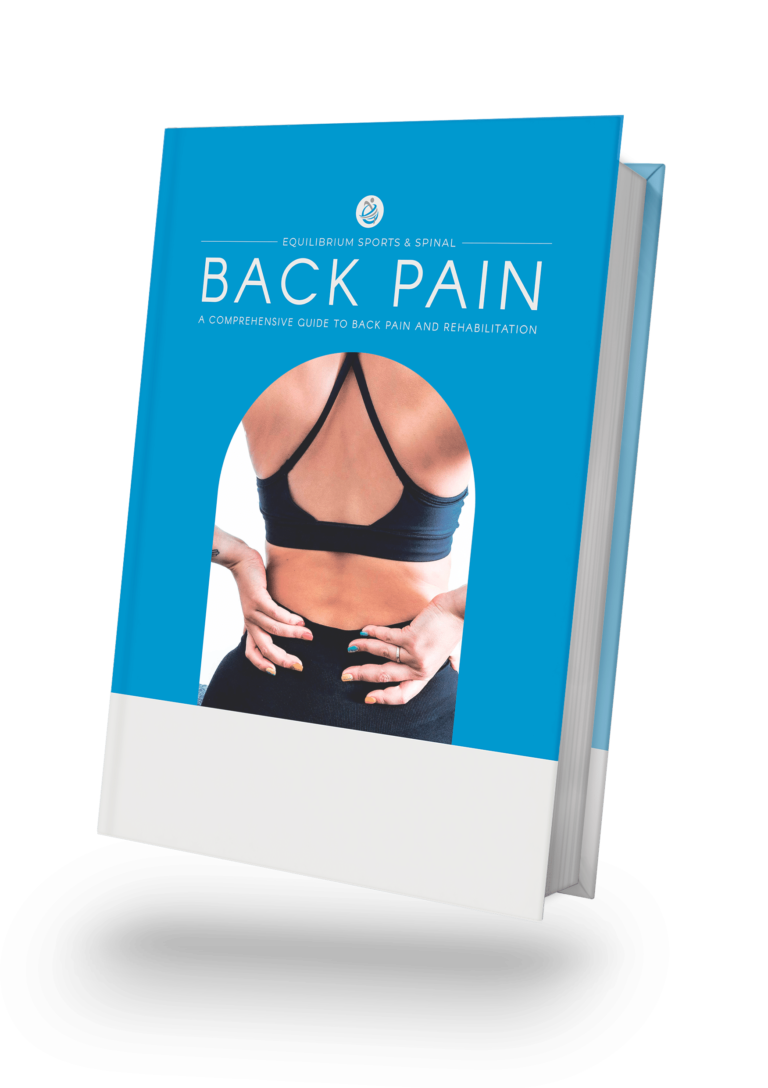
BOOK-MOCK-UP

Download your FREE BACK PAIN BIBLE

Your comprehensive guide that covers everything from the basics of back pain to tips for keeping your spine healthy.