

Posture….
In the modern digital age, we are all spending a significant amount of time hunched over desks, staring at screens, and carrying heavy backpacks. This sedentary lifestyle and poor posture can take a toll on both physical health and academic performance. However, by making a few simple adjustments to your daily routine, you can improve your posture and enhance your overall well-being. In this blog, we will explore simple yet effective strategies that we can implement to counteract poor posture and maximize their potential for success.
Firstly we need to understand, that there is NO perfect posture! We also need to understand that we are UNIQUE! This means that we will all have out little differences and imbalances. This means that our goal is not to be perfectly straight, but rather to optimise and maximise our own function. Posture is one of the many aspect that contribute to better function. Addressing our posture, will help improve our function and may help in reducing injury and dysfunction!
Our Top 6 Tips For Better Posture:
1. Understand the Importance of Good Posture:
Good posture is more than just standing up straight; it is about aligning your body properly to support its natural structure. Maintaining good posture not only reduces the risk of musculoskeletal problems but also enhances circulation, boosts concentration, and improves overall confidence. Recognizing the importance of good posture is the first step towards improving it.
2. Ergonomics:
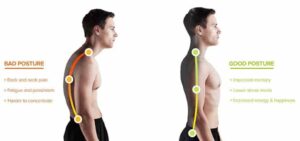 Optimize Your Study Environment: Creating an ergonomic study environment is crucial for maintaining good posture. Start by setting up a workstation that promotes good posture. Ensure that your desk is at the correct height, allowing your elbows to rest comfortably at a 90-degree angle. Use an adjustable chair with proper lumbar support to maintain the natural curve of your spine. Additionally, position your computer monitor at eye level, directly in front of you, to avoid straining your neck. Ensure your mouse is within arms reach. Opt for earpods or speaker phone, rather than cradling the phone to your ear.
3. Take Frequent Breaks and Stretch:
Sitting for extended periods can lead to muscle stiffness and fatigue. To combat this, take regular breaks during your study sessions or work day. Set a timer for every 30-40 minutes and use those breaks to stretch your muscles. Make an excuse to get up and move. A drink of water, retrieving documents from the photocopier or having a quick chat with a work colleague, are all great excuses to get up and move. Incorporate simple exercises like shoulder rolls, neck stretches, and spine twists to relieve tension and improve flexibility. Bruggers Postural Break Regular stretching helps relax tight muscles, preventing discomfort and promoting better posture.
4. Strengthen Core Muscles:
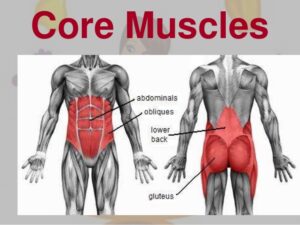
A strong core is essential for maintaining good posture. Engaging and strengthening your core muscles helps support the spine and align your body correctly. Incorporate exercises such as planks, bridges, and abdominal crunches into your fitness routine. Please ensure these do not cause any extra pain and you have been cleared by your health care practitioner to perform these exercises safely. By improving core strength, you will develop a natural inclination to maintain better posture even during those long study sessions or work meetings. If you would like us to develop a core program for you, please reach out – CLICK HERE
5. Use Backpacks Wisely:
 This one is for our students! Young or Old! Heavy backpacks can put unnecessary strain on your back and shoulders, leading to poor posture. When choosing a backpack, opt for one with padded straps and multiple compartments to distribute weight evenly. Adjust the straps to fit snugly against your back, and use both shoulder straps to avoid overloading one side. If possible, consider using a backpack with a waist strap to further alleviate strain. Back packs should be worn high up on the back. NOT resting on the lower back.
6. Mindful Sitting and Standing:
Developing mindfulness about your posture is crucial throughout the day. When sitting, make sure both feet are flat on the ground, with your knees bent at a 90-degree angle. Sit back in your chair, utilizing the backrest for support. Avoid crossing your legs for extended periods, as it can irritate hips and lower backs. Similarly, when standing, distribute your weight evenly between both feet, and avoid slouching or hyperextending your back or placing too much weight on one hip. This is know and “hanging off your hip” and may lead or further irritate hip and lower back pain.
Take Home Points:
Improving poor posture is an ongoing process that requires conscious effort and dedication. By implementing these simple strategies into your daily routine, you can combat the negative effects of a sedentary lifestyle and enjoy the benefits of better posture. Remember, a strong and aligned body contributes not only to physical well-being but also to enhanced focus, improved mood, and ultimately, academic success. Prioritize your posture today, and set yourself up for a healthier and more successful future.
The Osteopaths at Equilibrium Sports and Spinal Clinic in Glen Iris are here to help you with your overall heath and wellbeing. If you are needing help with your posture, book in TODAY!