
Why Prehab Before Surgery Matters More Than Most People Realise
When people prepare for surgery, most of the focus naturally goes toward the procedure itself. Patients often spend time researching surgeons, organising time off work, and thinking about recovery after the operation.
What is commonly overlooked, however, is what happens before surgery.
This is where “prehab” comes in.
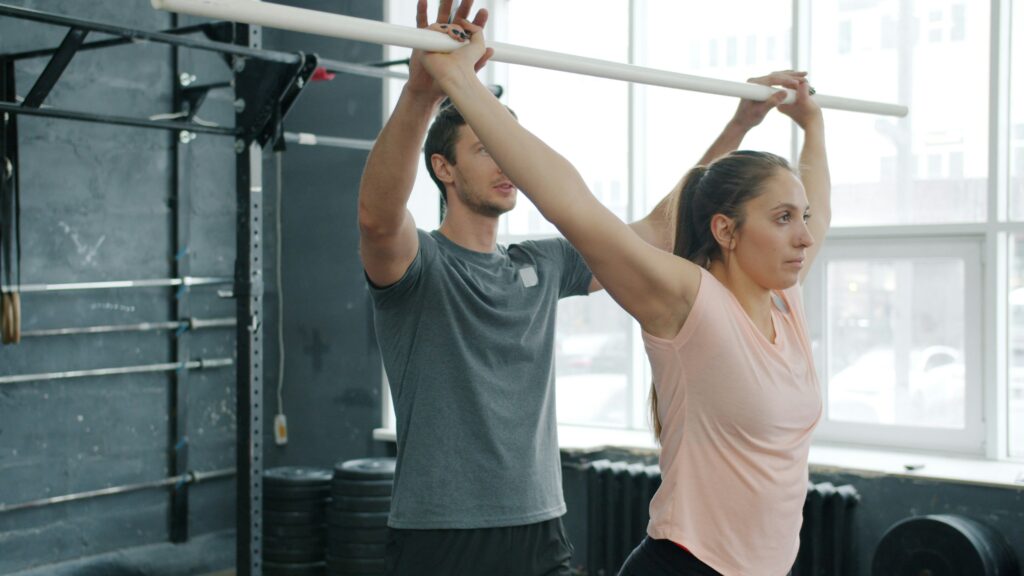
Prehab before surgery, short for prehabilitation, refers to structured treatment and exercise performed before surgery to improve physical function, strength, mobility, and overall readiness for the recovery process ahead.
At our Glen Iris clinic, we regularly work with patients from across Melbourne preparing for procedures including ACL reconstruction, shoulder surgery, hip replacements, knee replacements, spinal surgery, and ankle operations. One of the most consistent findings is that patients who go into surgery stronger, fitter, and more educated about the process often recover more effectively afterwards.
Surgery may address the structural issue, but the body still needs the capacity to recover well afterwards.
What Is Prehab?
Prehab before surgery is essentially rehabilitation before surgery.
The goal is to improve the body’s baseline function prior to the operation so that recovery afterwards is smoother and more efficient.
Prehab before surgery programs are tailored to the individual and may include:
- Strength training
- Mobility exercises
- Cardiovascular conditioning
- Pain management strategies
- Swelling reduction
- Movement retraining
- Education around post-operative recovery
- Preparation for walking aids or braces
Importantly, prehab is not about “fixing” the condition before surgery. Instead, it is about maximising the body’s resilience and physical capacity heading into a significant physiological stressor.
Why Is Prehab Important Before Surgery?
Most surgeries involve a period of reduced movement, deconditioning, pain, swelling, and temporary loss of strength afterwards.
If someone already enters surgery weak, stiff, highly deconditioned, or fearful of movement, recovery can become significantly more difficult.
On the other hand, improving strength, mobility, and fitness beforehand often creates a much better starting point post-operatively.
Research consistently shows that appropriate prehabilitation may help:
- Improve post-operative strength
- Improve mobility after surgery
- Reduce pain levels
- Improve confidence with movement
- Shorten recovery timelines
- Improve overall functional outcomes
- Reduce complications associated with inactivity
In simple terms, the better physical condition you are in before surgery, the more resources your body has available afterwards.
Strength Matters More Than Most People Think
One of the biggest predictors of recovery following orthopaedic surgery is pre-operative strength.
This is particularly important for surgeries involving the:
- Knee
- Hip
- Shoulder
- Spine
For example, following ACL reconstruction or knee replacement surgery, significant muscle loss often occurs rapidly after the procedure. If strength is already poor beforehand, recovery can become much more challenging.
Building strength before surgery helps create a larger “buffer” to work from during rehabilitation.
Even relatively short periods of targeted exercise can meaningfully improve muscle capacity prior to surgery.
Prehab Is Not Just Physical
Prehab is also valuable psychologically.
Many patients feel anxious before surgery, particularly if they are unsure what recovery will involve. Education and guided preparation can help reduce uncertainty and improve confidence heading into the procedure.
Understanding:
- what to expect
- how pain behaves post-operatively
- what movements will initially feel difficult
- how rehabilitation progresses
can significantly reduce fear and improve adherence to rehabilitation afterwards.
Patients who feel more prepared are often more confident engaging with the recovery process.
Mobility and Movement Preparation
Improving mobility before surgery can also have a major impact on outcomes.
Joint stiffness, altered walking patterns, and movement avoidance commonly develop before surgery due to pain and compensation. These patterns do not automatically disappear after the operation.
Prehab helps restore as much normal movement as possible beforehand, making it easier to regain function afterwards.
For example:
- improving knee extension before ACL or knee replacement surgery
- restoring shoulder mobility before rotator cuff surgery
- improving hip strength and gait mechanics before hip replacement
can all positively influence recovery progression.
Education Is a Key Part of Recovery
One of the most overlooked aspects of prehab before surgery is education.
Patients often assume surgery alone will completely solve the issue. While surgery may address structural pathology, rehabilitation remains critical for restoring function, confidence, strength, and movement capacity afterwards.
Prehab provides an opportunity to discuss:
- realistic recovery timelines
- expected setbacks
- load management
- rehabilitation stages
- return to work and sport expectations
This helps create more realistic expectations and often reduces frustration during recovery.
Prehab Before Surgery Is About Improving Capacity, Not Chasing Perfection
Importantly, prehab is not about becoming pain-free before surgery.
In many cases, surgery is still absolutely appropriate and necessary.
The goal is simply to improve the body’s capacity to tolerate and recover from the procedure as effectively as possible.
Even small improvements in:
- strength
- cardiovascular fitness
- movement quality
- confidence
- sleep
- physical activity levels
can positively influence recovery outcomes.
When Should You Start Prehab?
In an ideal world, prehab before surgery should begin as soon as surgery is planned.
This gives enough time to:
- build strength
- improve mobility
- address compensatory movement patterns
- improve conditioning
- prepare mentally for rehabilitation
However, even a few weeks of targeted preparation can still be beneficial.
Final Thoughts
Surgery is not the beginning of rehabilitation. In many ways, rehabilitation starts before the operation itself.
Prehab before surgery helps prepare the body and nervous system for the demands of surgery and recovery. Patients who enter surgery stronger, more mobile, and better educated are often better equipped to handle the rehabilitation process afterwards.
If you are preparing for surgery and want to optimise your recovery, a structured prehab before surgery program can help improve your baseline function and give you a clearer roadmap heading into the process.