
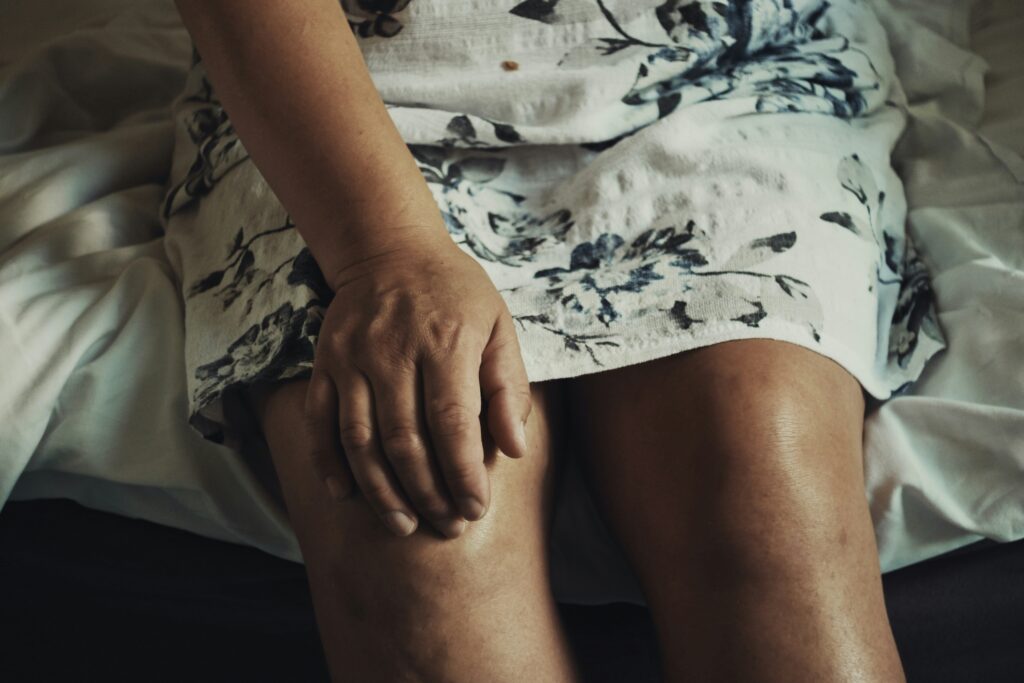
Runner’s Knee: Why It Happens and How to Get Back on Track
Whether you’re a seasoned marathoner or just building up to your first 5k, runner’s knee can feel like a frustrating and confusing roadblock. It’s one of the most common running-related injuries, and it can show up gradually or seemingly out of nowhere.
But what actually is runner’s knee, why are we now calling it Patello-Femoral Pain Syndrome (PFPS), and how do you stop it from dragging your training down?
Let’s unpack it.
What Is Runner’s Knee?

Runner’s knee is a general term used to describe pain at the front of the knee, around or behind the kneecap. It’s often aggravated by running—particularly downhill—going up and down stairs, squatting, or even sitting for long periods with a bent knee.
But despite the name, runner’s knee doesn’t just affect runners. Cyclists, gym-goers, hikers, even office workers can experience similar discomfort. That’s why many healthcare professionals are shifting to a broader and more accurate term: Patello-Femoral Pain Syndrome (PFPS).
Why the Shift to PFPS?
PFPS helps us move away from the idea that runner’s knee is caused by one specific issue, like weak quads or poor running form. Instead, it recognises that pain around the kneecap is usually multifactorial.
Common contributors to runner’s knee include:
- A sudden increase in running or training load
- Weakness in the glutes, quads or calves
- Poor control of lower limb movement
- Limited ankle mobility or tight hips
- Changes in footwear or running surface
- Stress, fatigue, and recovery issues
PFPS reflects a more modern understanding of pain—one that considers how your whole body, and even your nervous system, is involved in managing load and discomfort.
Load Management: The Key to Fixing Runner’s Knee
In many cases, runner’s knee begins with a simple case of too much, too soon. Maybe you added a few extra kilometres, increased your speed, or swapped your shoes. If your knee isn’t ready for the new demand, it may respond with pain.
Here’s how to get it under control:
- Don’t stop completely—but pull back. Reducing your running load by 30–50% can often ease symptoms without losing all your fitness.
- Replace impact with low-load activity, like swimming or cycling.
- Avoid long downhills and stairs early in recovery—they tend to flare things up.
- Build back gradually, using walk-run intervals or flat routes as a starting point.
Managing load is about respecting where your knee is now, while building it back up to where you want to be.
Quick Fixes That Help with Runner’s Knee
Some small changes can go a long way in reducing symptoms:
- Increase your cadence (steps per minute) slightly. This often reduces knee stress.
- Shorten your stride—this works hand-in-hand with cadence for better knee control.
- Assess your footwear. Old, worn-out shoes or drastic changes in style can contribute to overload.
- Try patella taping or a knee strap, which may offer short-term relief.
- Use ice or anti-inflammatories in the early phase, if swelling or inflammation is present.
These quick fixes aren’t long-term solutions—but they can create a window to keep moving while you strengthen.
Strength Is Your Long-Term Solution
Long-term recovery from runner’s knee relies on restoring strength and control in the lower limb. A solid strengthening plan builds your knee’s capacity so it can handle the demands of running again—without flaring up.
Key focus areas:
- Glutes and hips – side-lying leg lifts, clams, banded walks
- Quads – step-downs, wall sits, tempo squats
- Calves – double and single-leg heel raises, skipping drills
Once you’ve rebuilt a foundation, a graded return to plyometrics (hopping, bounding) and running-specific drills can help prevent re-injury.
When to See an Osteopath
If your knee pain isn’t improving with load management and basic strengthening, or if it’s stopping you from running altogether, it’s worth getting help.
As osteopaths, we can:
- Assess your movement
- Help you understand your unique contributing factors
- Create a tailored rehab plan that fits your goals
- Use hands-on treatment to ease surrounding tension or compensations
If you’re searching for an osteopath for runner’s knee near me, we’d love to help you get back to pain-free running with a plan that makes sense for you.
The Takeaway
Runner’s knee (PFPS) isn’t just about your knee—it’s about how your body manages load, strength, and recovery. With the right approach, most people make a full return to running, often with better form and strength than before.
Don’t let knee pain stall your progress. Make some smart changes, build strength, and if you need help, reach out to your local Osteo. We’re here to help you move better and run stronger.