
One of the most common questions we get asked as an Osteopath clinic is, “What exactly does an Osteopath do?” Let’s break it down simply.
Understanding What an Osteopath Does
Our University Training as Osteopaths:
As qualified Osteopaths, we complete a comprehensive 5-year university degree covering Anatomy, Physiology, Pathology, Biomechanics, and crucially, Osteopathic diagnosis and treatment methods. This extensive training equips us to perform thorough medical exams of the musculoskeletal, nervous, and cardiovascular systems. We use this to diagnose issues accurately and design a tailored treatment plan.
What Conditions Do Osteopaths Treat?
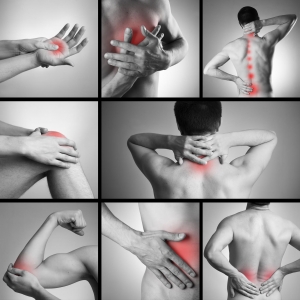
Osteopaths treat muscles, joints, tendons, ligaments, and the spine — the body’s structural components most prone to injury and dysfunction. Common conditions we see daily include:
– Neck Pain
– Headaches and Migraines
– Shoulder Pain and Rotator Cuff Injuries
– Low Back Pain
– Chronic Tendon Injuries (e.g., Tennis Elbow, Plantar Fasciitis)
– Sporting Injuries
– Arthritis
– Sciatica
– Hip Pain
– Bursitis
Osteopathy’s Holistic Approach
Osteopathy is based on the principle that the body functions as an integrated whole. If one area is restricted, other parts compensate, which can cause pain, stiffness, and inflammation. As Osteopaths, we look beyond just the painful area to treat the entire body, ensuring long-term health and mobility.
What to Expect in Your First Osteopath Session
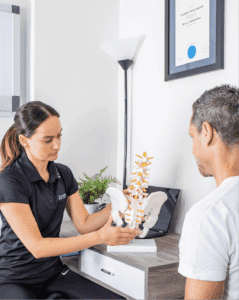 Your first visit starts with honest and straightforward questions about your pain — when it started, what helps or worsens it, and how it affects your daily life and sleep. These questions help us find the root cause.
Then, your Osteopath will assess your movement thoroughly, looking beyond the immediate area of pain — for instance, your lower back pain might stem from an ankle problem. We diagnose and create a bespoke treatment plan just for you.
Osteopathic Treatment Techniques
Osteopath sessions may include:
- Soft tissue massage.
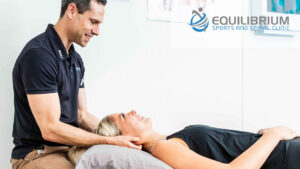
- Joint mobilisation, stretching and Articulation
- Manipulation ( where appropriate and safely to perform and always with your permission)
- Dry Needling techniques.
- Shockwave Therapy – Great for the chronic injuries that have just not responded to conservative treatment.
Lifestyle Factors and Your Osteopath
We also consider your everyday activities — your workstation setup, how you commute, even your bed — because these can impact your pain and recovery.
Managing Your Recovery with Osteopathy
No treatment is complete without a clear management plan. Your Osteopath will explain your diagnosis, expected recovery time, and provide targeted exercises to complement hands-on therapy. This empowers you to take control of your health and get back to the activities you love. 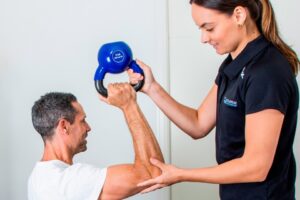
Quick Osteopathy Facts
– Osteopathy was founded by A.T. Still in the late 1800s.
– The term “Osteopath” derives from the Greek “osteo,” meaning structure.
– Osteopaths continually update their training through professional development.
– Many private health funds cover Osteopathy treatments.
– Osteopaths often work alongside GPs through chronic disease management plans.
Ready to Try Osteopathy?
If you’re living with pain and missing out on the things you love, why not book a session with an experienced Osteopath? Our Equilibrium Sports and Spinal Clinic Osteopaths proudly serve Glen Iris, Malvern, Ashburton, Hawthorn, and Caulfield. Call or book online to start your journey to better health today.
At Equilibrium Sports and Spinal clinic our Osteopaths thrive on helping Glen Iris locals who are not living their lives to the fullest. Our Osteopaths service Malvern, Glen Iris, Ashburton, Hawthorn and Caulfield. Let us help you turn your life around get you back to doing the things you love.