
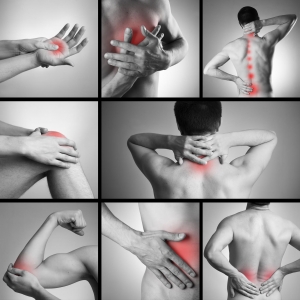
Why Injuries Spike In Spring

WHY INJURIES SPIKE IN SPRING AND HOW TO AVOID THEM

Every September and October, our Glen Iris Osteopathic clinic see the same pattern: more hamstring strains, back flare-ups, sore knees and shoulders. And the one common theme is, too much too soon, after doing too little for too long! This is the winter curse. We loose motivation, we loose routine and conditioning. And sadly try and return to these same levels as soon as day light savings hits!

The good news is that most of these injuries are preventable.

Why spring is injury season!

It isn’t the weather itself that causes injuries. It’s the sudden change in what we ask our bodies to do.

  • Your body has deconditioned. After a few months of less activity, your fitness drops and your muscles, tendons and joints are less prepared for the load they used to handle.
  • Motivation outpaces readiness. Longer days and sunshine make us want to jump straight back to where we left off, often doing more in a week than we did all month over winter.
  • Different tissues recover at different speeds. Your heart and lungs adapt within a few weeks, so you may feel ready before your tendons and joints are. That’s when overload injuries creep in.
  • Everything starts at once. Spring sport seasons, fun runs, tennis and big weekends in the garden often begin together, piling new demands onto an underprepared body.

How to Avoid Injuries in Spring

Check in first if you need to

If you have spent a considerable amount of time not exercising, you may want to ensure your body is in a position to start exercising again..

Start low, go slow

Begin at about half of what you used to do and build a little each week. Change one thing at a time: a few more minutes, or an extra session, or a bit more intensity, never all three.

Strengthen, don’t just stretch

Two short strength sessions a week (squats, step-ups, bridges, calf raises, wall push-ups) build the load tolerance that protects muscles, tendons and joints.

Warm up properly

Spend 5–10 minutes with easy movement and dynamic stretches like leg swings and gentle lunges, then ease into your session. Cool down gradually afterwards.

Respect recovery

Leave a rest or easy day between harder sessions, stay hydrated and protect your sleep. Tissues get stronger during recovery, not during the workout.

The Injuries We See Most

  • Hamstring strains

    Common when sprinting or kicking returns quickly, especially in sport and running.

    Top Tip: build speed gradually and include hamstring strengthening such as bridges and slow, controlled leg curls, squats, lunges.

  • Lower back flare-ups

    slipped discOften triggered by a long day of gardening, lifting or a sudden return to the gym.

    Top Tip: break big jobs into shorter sessions, vary your positions and keep loads close to your body. respect weights at the gym.

  • Knee pain

    Often at the front of the knee, after a quick jump in running, hills, stairs or squatting.

    Top Tip: increase distance and hills slowly, and strengthen your quads and hips. At isometrics, ie wall sits to help load the tendon safely.

  • Achilles and calf problems

    Tendons are slow to adapt, so they often complain after a sudden increase in running, jumping or cycling.

    Top Tip: add calf raises to your week and watch for morning stiffness as an early warning sign.

  • Shoulder and elbow pain Preventing Gym Injuries

    Common with a return to tennis, golf, swimming or overhead garden work like pruning.

    Top Tip: ease back into hitting and overhead tasks, and take regular breaks.

Spot the early warning signs

Most overload injuries give you a warning before they become a problem. Ease off and seek help: Here are some common warning signs:

  • Pain that builds during a session or is worse the next morning
  • Stiffness in a tendon (like the Achilles) that gets worse as you start exercising.
  • Soreness that lasts more than two or three days
  • Pain that makes you limp or change how you move.
  • Sharp knife like pain at the joint.
  • Any new numbness or tingling.

InjuriesAlready feeling a niggle?

This information is general in nature and isn’t a substitute for personalised advice from your health professional.

Equilibrium Sports and Spinal Clinic Logo Glen Iris
BOOK-MOCK-UP

Download your FREE BACK PAIN BIBLE

Your comprehensive guide that covers everything from the basics of back pain to tips for keeping your spine healthy.

Ask Our Osteo

Don’t Put Up With Your Pain Longer Than You Need To

Reach out today, and let the Osteopaths at Equilibrium Sports and Spinal Clinic help you!

Striving to make you feel better today, than you did yesterday!

Book online now to find a time that works for you.

Equilibrium Sports and Spinal Clinic Logo Glen Iris
BOOK-MOCK-UP

Download your FREE BACK PAIN BIBLE

You’re one click away from obtaining your Back Pain Bible. We have also sent you a copy through your email.

Download E-book
Equilibrium Sports and Spinal Clinic Logo Glen Iris
BOOK-MOCK-UP

Download your FREE BACK PAIN BIBLE

Your comprehensive guide that covers everything from the basics of back pain to tips for keeping your spine healthy.