
Osteopaths, physios and chiropractors all treat muscle and joint problems, but they differ in approach. Osteopaths take a whole-body, hands-on approach, physios focus on exercise-based rehab, and chiropractors focus on the spine using adjustments. For most back and neck pain, any of the three can help, and the individual practitioner matters as much as the profession. Osteopaths, physiotherapists and chiropractors are all university-trained, AHPRA-registered health professionals who often treat what is known as musculoskeletal conditions. This encompasses our muscle, joints, ligaments, tendons and nerve problems. So what really is the main difference between these 3 professions? Ultimately it comes down to their philosophy behind treatment. The treatment techniques and the structure of their treatment session. But most importantly it’s the education behind the treatment and the plan they implement to help you achieve your goals.
One key factor to consider is, the right choice may often depend on your condition and on the individual practitioner, not just the profession.
What does an osteopath do?
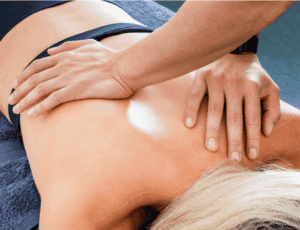
Osteopaths look at how the body works as a whole. We use hands-on techniques such as soft tissue massage, joint mobilisation, stretching and joint manipulation ( where safe and always with your consent) as well as exercise prescription, with our main objective being to restore your health and wellbeing. 
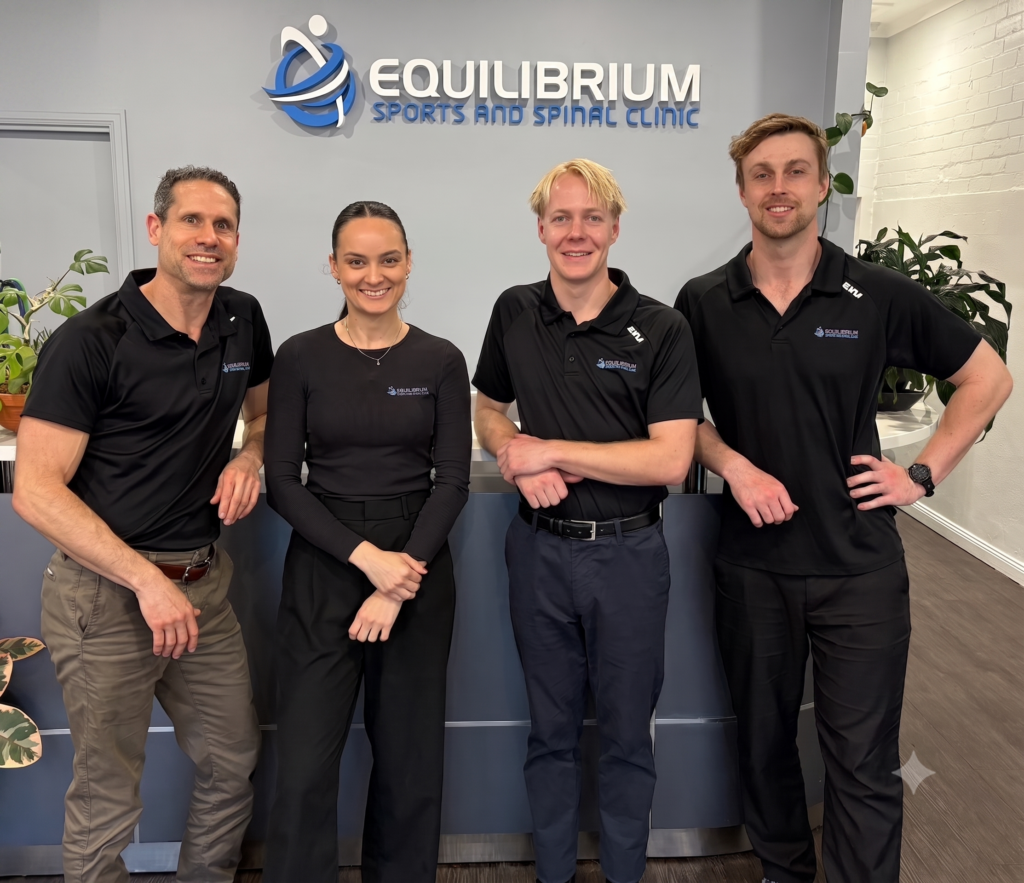
Our Glen Iris Osteopathic team have all completed a 5 year university degree, some of our team have a Masters degree in Osteopathy.
Most often the people we see are frustrated with pain and or stiffness and tightness that is preventing them from doing the things they love. Some are constantly waking with back pain. Some have shoulder pain that is impacting their gym sessions. Others can’t enjoy the gardening because of pain in knees hips and ankles.
The common reason people see us, is to get help to get back to doing the things they love. This is what forms the basis of our treatment sessions. How can we work together to get you out of pain quickly and safely. But also establishing long lasting relief.
What does a physiotherapist do?
If you’re looking to just strengthen your body, a Physiotherapist. Physiotherapists help people restore movement and function, with a strong emphasis on exercise-based rehabilitation.
Physios are excellent practitioners to see once you have had surgery, and are looking for guidance to help build back your strength, movement and function after the injury.
Physios can often work in a hospital setting. Working with patients whilst still recovering in hospital. This is something that Osteopaths and Chiropractors in Australia do not have the ability to do.
What does a chiropractor do?
If you believe you are out of alignment, a Chiropractor can help. They commonly help with Spinal & Hip Pain. Chiropractors focus on the spine and nervous system, and commonly use spinal manipulation, or ‘adjustments’, to help improve movement and function.
Chiropractors focus on realignment of the spine to impact change to the body.
Which should I see for back pain, neck pain or sports injuries?
For most common musculoskeletal problems, such as lower back pain, neck stiffness or headaches, any of the three may be able to help, and the practitioner’s experience with your issue matters as much as their title.

Back Pain And Sciatica Treatment Option:
- Traditionally Osteopaths and Chiropractors are the chosen profession. If you’re looking for a combination of hands on therapy and exercises to help with long term health and wellness, we suggest an Osteopath. If you’re looking to just strengthen your body, a Physiotherapist would be your choice. Or if you believe your are out of alignment, a Chiropractor.
Headaches and Neck Pain
- Again much like back pain, Osteopaths are going to use a combination of soft tissue massage, joint mobilisation and articulation and dry needling to improve movement and reduce muscle spasm.
Sporting Injuries:
- If you have sustained a sporting injury and are recovering from a surgical procedure, Physiotherapists are the best to see here. They can work in conjunction with Osteopaths to help with the hands on muscles spasm and tightness. A common collaboration in our Glen iris clinic.
Pregnancy Related Pain:
- This is a great example of where the practitioner is more important than the title. Search for a therapist who specialises in this area. Much like women’s health, you want a therapist who has done further study, courses and is comfortable supporting you through your pregnancy journey.
What’s the difference between an Osteopath, Physiotherapist and Chiropractor?
| Osteopath | Physiotherapist | Chiropractor | |
|---|---|---|---|
| Philosophy | Whole-body approach. Looks at how muscles, joints, nerves and circulation work together. Aim is to find “the root cause” and restore movement and function. | Focuses on rehabilitation, strength and getting you back to daily function after an injury. | Focuses on the spine and nervous system focus. Aims to restore alignment in spine |
| Main techniques | Mainly Hands-on.
|
Mainly Exercise prescription.
|
Main Focus Spinal Alignment.
|
| Commonly helps with |
|
|
|
| Typical appointment | Equilibrium Sports and Spinal Clinic – 30-45 Mins. Hands on Treatment Always 1 on 1 – Never treating other people at the same time. | Can vary between clinics. Often includes guided exercises and a home program to follow between visits. | Varies between clinics. Some clinics may require x-rays to be taken prior to treatment. |
| Where you’ll find them | Private clinics. Equilibrium Sports and Spinal Clinic is at 14 High St Glen Iris | Private clinics, hospitals, aged care, sports clubs and rehab centres. | Private clinics. |
| Training in Australia | University degree, typically 5 years (bachelor and or master’s). | University degree, typically 4 years (or a 2-year master’s after a related degree). | University degree, typically 5 years (bachelor plus master’s). |
| Do I need a referral? | No, you can book directly. Book online for Equilibrium Osteopaths here | No, you can book directly. | No, you can book directly. |
| Rebates | Private health extras (depending on your cover). Medicare rebates may apply with an eligible GP care plan. | Private health extras (depending on your cover). Medicare rebates may apply with an eligible GP care plan. | Private health extras (depending on your cover). Medicare rebates may apply with an eligible GP care plan. |
Seeing an osteopath in Glen Iris
At our Glen Iris Clinic, our Osteopaths regularly see people from Ashburton, East Malvern and Malvern, Hawthorn and Camberwell. Located on High st, a short 300m walk from Glen Iris train station, next door to QT Kitchen. Our therapists are regularly around the community. You may see us at F45 or BFT in Ashburton or walking “Ferndale Park” and “the Anniversary Trail”.
We pride ourselves on delivering unique treatments for each and everyone of our patients. Your injury is as unique as you are. And hence would need a unique treatment. We take the time to get to know you and your goals. What is it that you want to return to. That may be playing with the kids, gardening or getting back to running. We provide you with a crystal clear management plan, with specific treatment outcomes so you are 100% sure of journey ahead of you.
When should you see a GP or go to hospital instead?
Most musculoskeletal problems resolve well with allied health treatment. Some symptoms need medical assessment before any hands-on treatment. See your GP or specialist first if your pain is associated with any of the following:
- Numbness around the groin, buttocks or inner thighs, or new problems controlling your bladder or bowels
- Weakness in your legs or arms that is getting worse
- Fever, or feeling generally unwell
- Unexplained weight loss or with a history of cancer
- Severe pain that doesn’t ease with rest or changing position, especially at night
- A sudden, severe headache, or a headache with neck stiffness, fever, dizziness, slurred speech or vision changes
- Chest pain, or pain spreading into your arm or jaw, especially with shortness of breath
If symptoms are severe or come on suddenly, call 000.
Your osteopath is trained to screen for these warning signs at your first appointment. If anything suggests your symptoms need further investigation, we’ll refer you to your GP or the appropriate specialist.
Frequently Asked Questions:
Is an osteopath a doctor?
No, osteopaths are not medical doctors. In Australia, they are university-trained allied health practitioners registered with AHPRA, and they complete a five-year university program covering anatomy, physiology, diagnosis and hands-on treatment. Osteopaths are “primary contact” practitioners, so you can see one without a referral, and they will refer you to a GP or specialist if your symptoms need further investigation.
Does osteopathy hurt?
Osteopathy shouldn’t be painful, though some techniques, such as deep soft tissue work, can feel uncomfortable while they’re being done. Some people feel mild soreness or tiredness for a day or two after treatment, similar to the feeling after exercise. Your osteopath will check in with you throughout the session and adjust the pressure or technique to suit you.
How many osteopathy sessions will I need?
It depends on your condition, how long you’ve had it, and how your body responds. Some people notice a difference after one or two sessions, while longer-standing problems may need a series of treatments combined with exercises at home. Your osteopath will discuss a treatment plan with you at your first appointment and review your progress regularly, rather than booking you in indefinitely.
What should I wear to an osteopath appointment?
Wear comfortable, loose clothing you can move in, such as activewear or shorts and a t-shirt. Your osteopath may need to see or feel the area being treated, but you can stay as covered as you like, and towels are always available. If you have any concerns about this, let your practitioner know at the start of the session.
Which is better for back pain: osteopath or chiropractor?
This is a very personal question. Like most things in life, everyone has the personal preference. Both can help with back pain; evidence supports hands-on therapy combined with exercise, and the best choice is a practitioner who gives you a clear plan and self-management strategies. If you are happy with your therapist, and you are seeing results, stick with them.
BUT if your therapist uses fear based language, If your therapists leaves the room to treat someone else, or if they don’t alter the treatment if there is no change and if there is no self management advice, I would suggest finding a different therapist.
If you feel you are not getting results from your current therapist and are looking for a change, the Osteopathic team at Equilibrium Sports and Spinal Clinic are here to help.